Slovak Traditions
Sat, 11/23/2024 - 18:10
Slovakia is a country with a rich cultural heritage, and its traditions reflect the country’s deep connection to its rural past, religious customs, and the changing seasons. Slovak traditions are often tied to community life, family celebrations, and regional customs.
Title
Folk Music and Dance
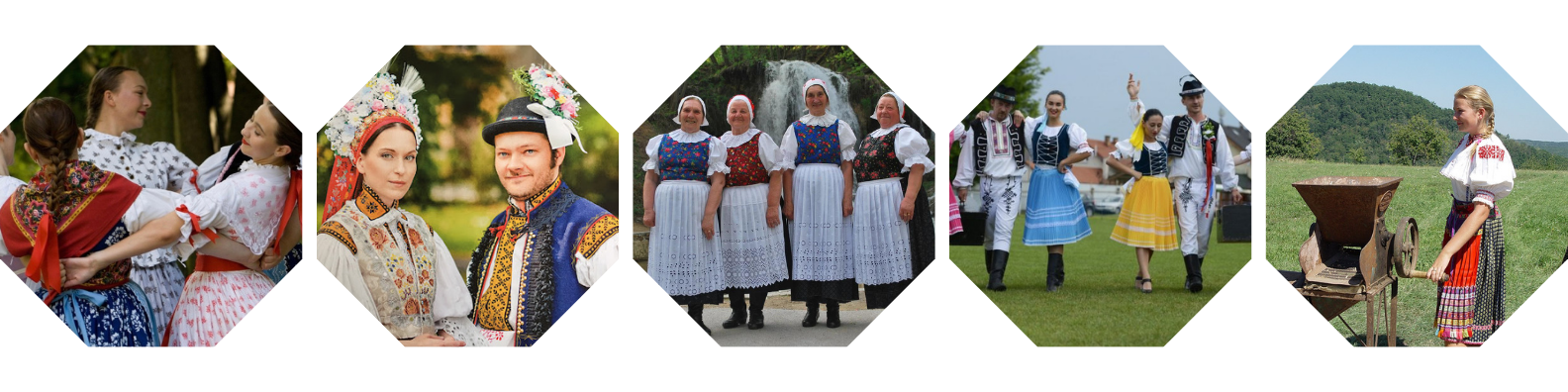
Folk music and dance play an important role in Slovak culture, with regional styles that vary across the country. Traditional Slovak folk music often features instruments such as the fujara (a large shepherd’s flute), violin, and cymbals. Folk dances like the polka, čardáš, and súboti are performed during festivals and gatherings, accompanied by colorful costumes that reflect the wearer’s region. The Slovak folk dance "Šariš" is one of the most iconic, with energetic movements and rhythmic footwork. Folk festivals are common, where people dress in traditional costumes, sing folk songs, and celebrate Slovak history and heritage.
Title
Easter Traditions
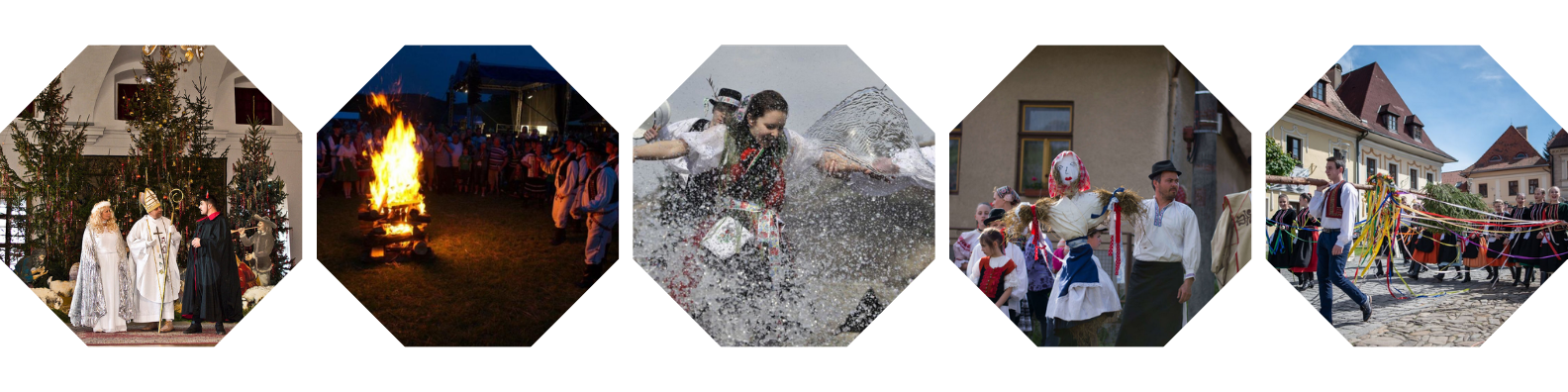
Easter in Slovakia is a time for various unique and charming traditions. One of the most famous is šibačka (the Easter Monday tradition), where boys lightly whip girls with decorated willow branches to bring good health and beauty for the year ahead. In return, girls give the boys painted eggs or a shot of slivovica (plum brandy). Slovak Easter eggs, called kraslice, are often hand-painted with intricate patterns, and the art of decorating eggs is passed down through generations.
Title
Christmas Traditions
Christmas in Slovakia is a time of deep religious and cultural significance, marked by family gatherings, church services, and special meals. Traditional Slovak Christmas dinner includes kapustnica (sauerkraut soup) with smoked meat, fried carp, and vánočka (sweet braided bread). Christmas Eve is the most important day, when families gather for dinner after fasting all day. A Slovak custom during Christmas dinner involves placing an extra plate at the table for an unexpected guest, symbolizing hospitality and the spirit of giving. Christmas caroling, or koledovanie, is also popular, with groups of children singing carols door-to-door in exchange for treats or small gifts.
Title
Wedding Traditions
Slovak weddings are rich in customs, many of which reflect the country’s rural and religious heritage. A typical Slovak wedding begins with a church ceremony, followed by a festive reception. Traditional Slovak weddings feature a nevesta (bride) wearing a white dress, often with a kvetinová korunka (flower crown) made from fresh flowers. The vodka or slivovica is traditionally served during the wedding feast, and guests participate in playful rituals, such as "kidnapping" the bride, where the groom must "rescue" her. Another custom is the hodovanie, or the ceremonial sharing of bread and salt, symbolizing the couple’s unity and prosperity.
Title
Harvest and Agricultural Festivals
As an agricultural country, Slovakia celebrates the harvest season with festivals that honor the traditions of farming and local produce. One of the most notable is the Vinobranie (grape harvest festival) in the wine-growing regions of southern Slovakia. Here, people gather to celebrate the grape harvest with wine tasting, folk music, and dances. In rural areas, harvest festivals mark the completion of seasonal work with feasts and community activities, and they often feature displays of regional foods, handicrafts, and folklore.
Title
Name Days
In Slovakia, Name Days (meniny) are as important as birthdays, and they are celebrated by many Slovaks. Each day of the year is associated with a particular saint, and people named after that saint celebrate their Name Day with gifts, well-wishes, and sometimes parties. It’s a deeply ingrained custom in Slovak life, with people keeping track of Name Days on calendars and planning small family gatherings or celebrations with friends.
Title
Easter Lamb (Veľkonočné Baránky)
Easter in Slovakia also involves the baking of symbolic lamb-shaped cakes called veľkonočné baránky. This tradition is connected to the Christian belief in the lamb as a symbol of Jesus Christ. Families often make these cakes, which are decorated with icing or powdered sugar, and serve them during the Easter meal.
Title
Superstitions and Folklore
Slovak folk culture is rich in superstitions and legends, many of which are tied to nature, animals, and the changing seasons. For example, people believe that it’s bad luck to sweep the house after dark, as it sweeps away good fortune. Another common superstition is that the first guest to enter the home on New Year’s Day should be a tall, dark-haired man, as he’s believed to bring good luck for the year. Slovak folklore also features many mystical creatures, such as vodník (a water spirit) and striga (a witch), whose tales are often told around campfires or passed down through generations.
Title
Traditional Slovak Handicrafts
Slovakia is known for its rich tradition of handicrafts, such as kroj (traditional costumes), hand-painted ceramics, carved wooden objects, and lacework. In regions like the Orava and the Tatras, visitors can find beautifully crafted wooden souvenirs, handwoven textiles, and intricate pottery. These crafts are not only a way to preserve Slovak culture but also serve as a source of pride for local communities, and they are often showcased in local markets or cultural festivals.
Slovak traditions offer a deep sense of history, community, and connection to nature, and they are celebrated throughout the year with enthusiasm and pride. Whether through festive meals, folk music, or religious observances, these traditions form an important part of Slovak identity and make Slovakia a truly unique place to visit.